

Primary Angioplasty, also known as Primary Percutaneous Coronary Intervention (Primary PCI), is an emergency treatment used to restore blood flow to the heart during an acute heart attack caused by a blocked coronary artery.
Timely treatment can help restore circulation to the affected heart muscle and reduce the risk of further cardiac damage. At Shripad Heart Centre, patients are evaluated promptly to determine the most appropriate emergency treatment.
Senior Interventional Cardiologist providing advanced coronary intervention and emergency cardiac care in Kanpur.
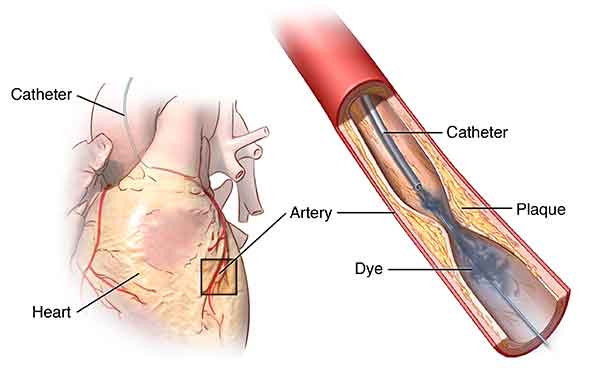
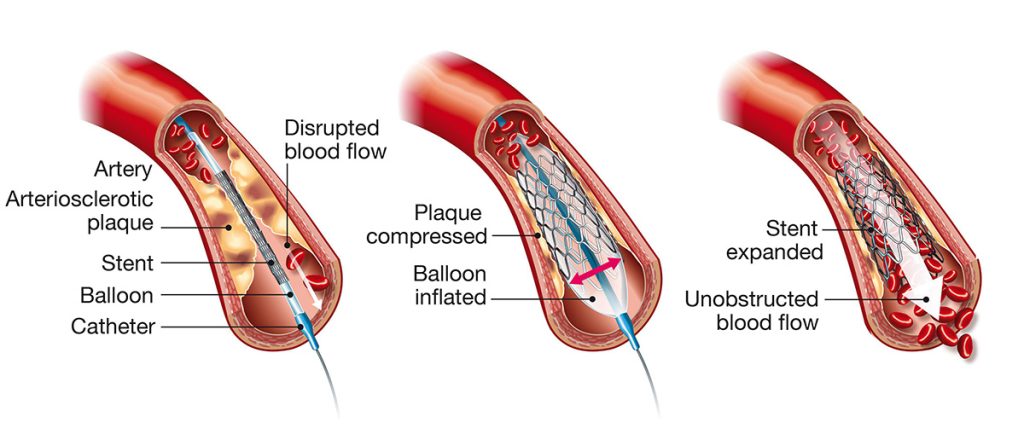
Primary Angioplasty is an emergency procedure performed to reopen a blocked coronary artery during an acute heart attack. It is a form of Percutaneous Coronary Intervention (PCI) and is performed through a catheter inserted into a blood vessel.
During the procedure, the blocked artery is crossed with a specialised catheter and a balloon may be used to widen the narrowed segment. A coronary stent may then be placed when clinically appropriate to help maintain blood flow through the artery.
Because heart muscle can be damaged when blood supply is interrupted, patients with suspected heart attack need urgent medical evaluation and appropriate treatment.
Primary angioplasty may be considered when an acute heart attack is caused by a significantly blocked coronary artery and urgent restoration of blood flow is required.
Emergency evaluation is required when symptoms suggest an acute myocardial infarction.
Primary PCI can be used to reopen the artery responsible for the heart attack when appropriate.
In an acute heart attack, timely assessment and restoration of blood flow are important.
Severe chest discomfort, sweating, breathlessness or sudden weakness require urgent medical attention.
If you experience sudden or severe chest pain, pressure in the chest, breathlessness, cold sweating, nausea or discomfort spreading to the arm, shoulder, back or jaw, seek emergency medical care immediately.
The treatment pathway is tailored to the patient's clinical condition and coronary anatomy.
Symptoms, ECG findings and the patient's clinical condition are assessed urgently.
Coronary angiography helps identify the location and severity of the blockage.
Balloon angioplasty and stent placement may be performed when clinically appropriate.
The patient is monitored and receives appropriate medicines and follow-up guidance.
Emergency cardiac treatment requires rapid assessment, appropriate decision-making and experienced interventional care.
Senior Interventional Cardiologist
Coronary intervention for emergency and complex cardiac conditions.
Contemporary interventional techniques are selected according to individual patient needs.
For symptoms suggestive of a heart attack, seek emergency medical attention immediately. Shripad Heart Centre provides advanced interventional cardiology care and Primary PCI when clinically appropriate.