
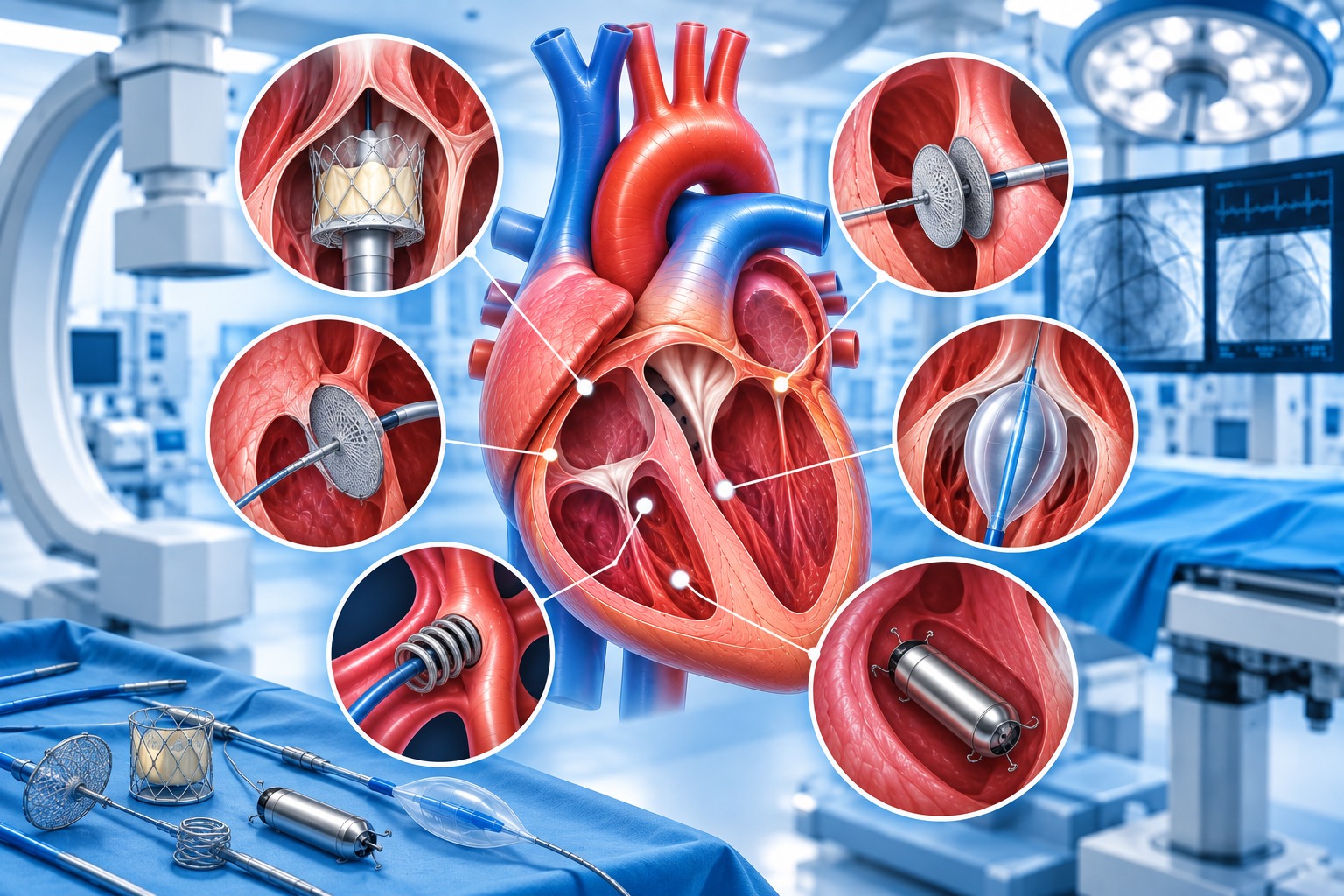
Structural and congenital heart procedures are specialized catheter-based treatments used to manage selected heart valve diseases and congenital heart defects. These procedures can treat certain conditions through minimally invasive approaches, reducing the need for conventional open-heart surgery in appropriately selected patients.
Dr. Shripad V. Khairnar provides advanced interventional cardiology care with expertise in complex catheter-based cardiac procedures, including structural and congenital heart interventions.
Structural heart disease involves abnormalities of the heart valves, chambers or other structures of the heart. Congenital heart defects are abnormalities that develop before birth and may sometimes require intervention later in childhood or adulthood.
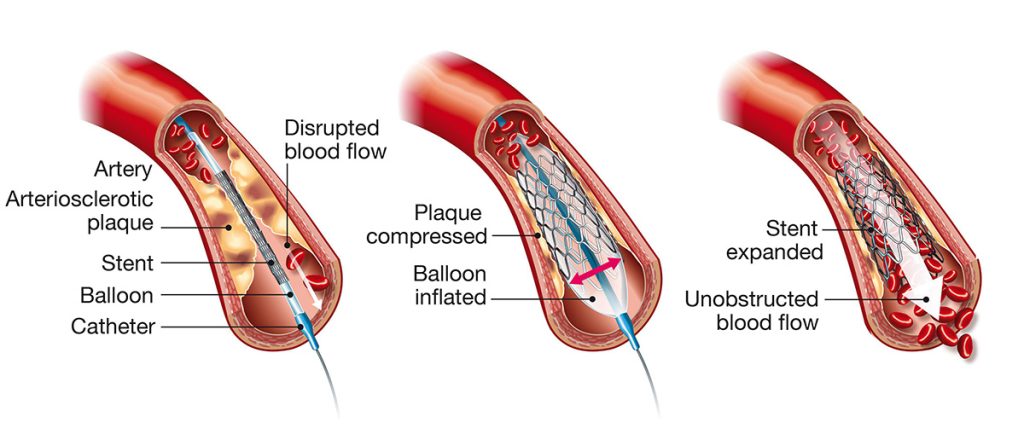
Modern cardiac catheterization techniques allow selected structural and congenital heart conditions to be treated through blood vessels using specialized devices, valves, balloons or closure systems. The exact treatment depends on the patient's anatomy, symptoms, imaging findings and overall clinical condition.
Structural and congenital interventions are considered after detailed evaluation of the heart, valves, blood vessels and overall clinical condition.
Selected patients with significant valve disease, including severe aortic stenosis, may be evaluated for transcatheter valve treatment.
Certain congenital openings between heart chambers may be suitable for catheter-based device closure after appropriate assessment.
Selected congenital heart conditions can be assessed for minimally invasive catheter-based treatment.
Advanced imaging helps understand complex cardiac anatomy and plan an individualized treatment strategy.
A range of catheter-based procedures may be considered for appropriately selected patients depending on the type of structural or congenital heart condition.
Transcatheter Aortic Valve Implantation is a minimally invasive treatment option for selected patients with significant aortic valve stenosis. A replacement valve is delivered through a catheter and positioned within the diseased valve.
Selected atrial septal defects can sometimes be closed using a specialized device delivered through a catheter, avoiding open-heart surgery when the anatomy is suitable.
In appropriately selected cases, a ventricular septal defect may be treated using a catheter-based closure device to seal the abnormal opening.
Patent ductus arteriosus can often be closed using a catheter and a dedicated closure device when intervention is clinically appropriate.
Selected patients with a patent foramen ovale may be evaluated for catheter-based closure after a detailed cardiac and neurological assessment.
A specialized balloon catheter can be used in selected patients to widen a narrowed heart valve and improve blood flow.
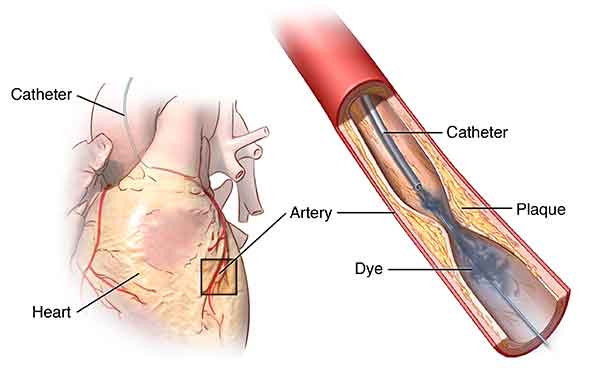
Structural and congenital heart interventions require careful evaluation before treatment. Echocardiography, advanced cardiac imaging and catheter-based assessment may be used to understand the anatomy and determine whether an intervention is appropriate.
Structural heart disease and congenital heart defects can vary significantly from one patient to another. Treatment therefore requires careful anatomical assessment, appropriate patient selection and individualized procedural planning.
Dr. Shripad V. Khairnar combines interventional cardiology expertise with a patient-focused approach to provide advanced catheter-based cardiac treatment when clinically appropriate.
Dr. Shripad V. Khairnar provides advanced interventional cardiology care for selected structural and congenital heart conditions, including transcatheter valve procedures and device-based closure procedures. Each patient is carefully evaluated to determine the most suitable treatment based on cardiac anatomy, imaging and clinical condition.