

Transcatheter Aortic Valve Implantation (TAVI), also known as Transcatheter Aortic Valve Replacement (TAVR), is a minimally invasive treatment for patients with severe aortic valve stenosis.
For appropriately selected patients, TAVI can provide an alternative to conventional open-heart valve surgery, with a smaller access site, shorter hospital stay and generally faster recovery.
Senior Interventional Cardiologist offering comprehensive evaluation and advanced transcatheter valve treatment for appropriately selected patients in Kanpur.
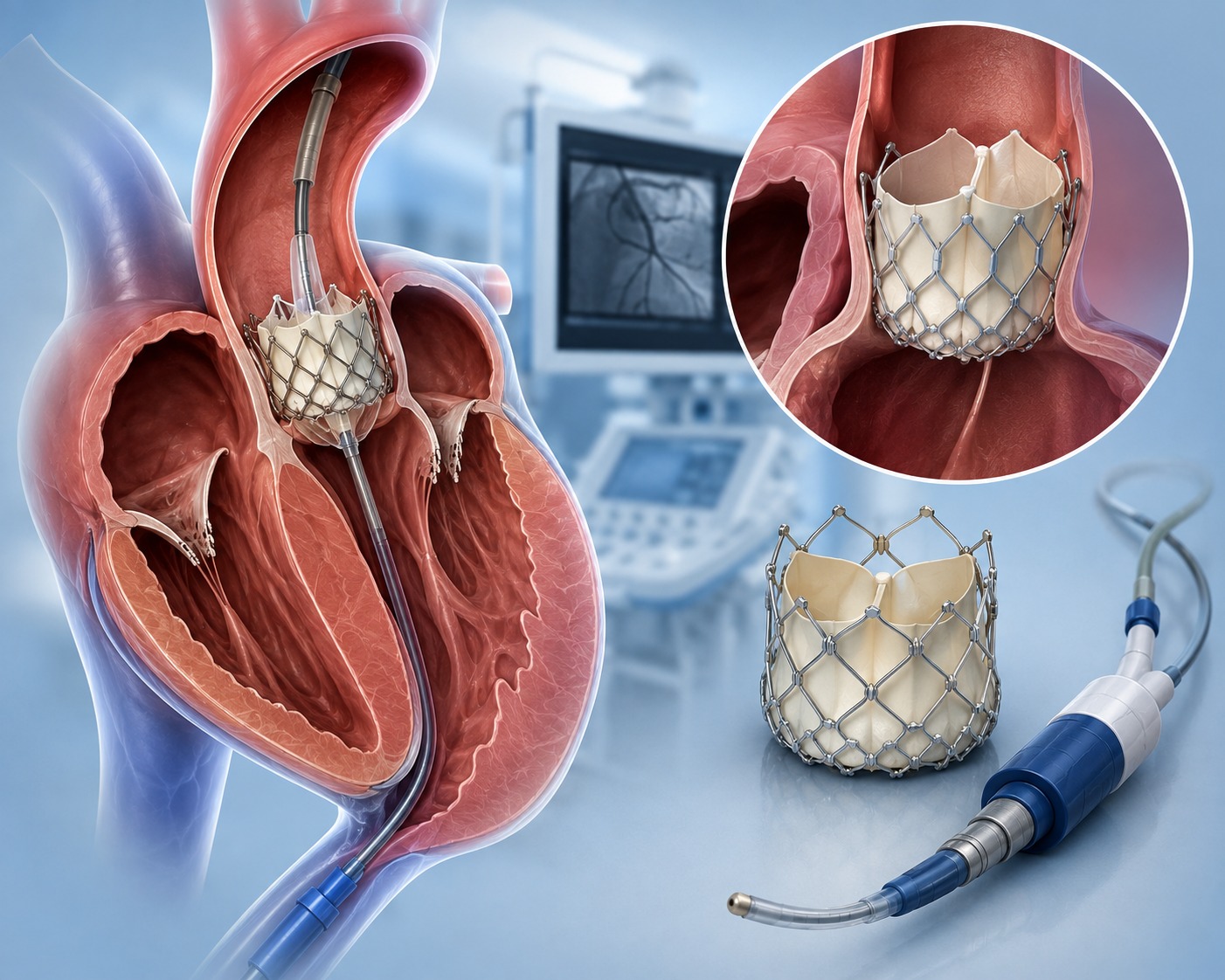
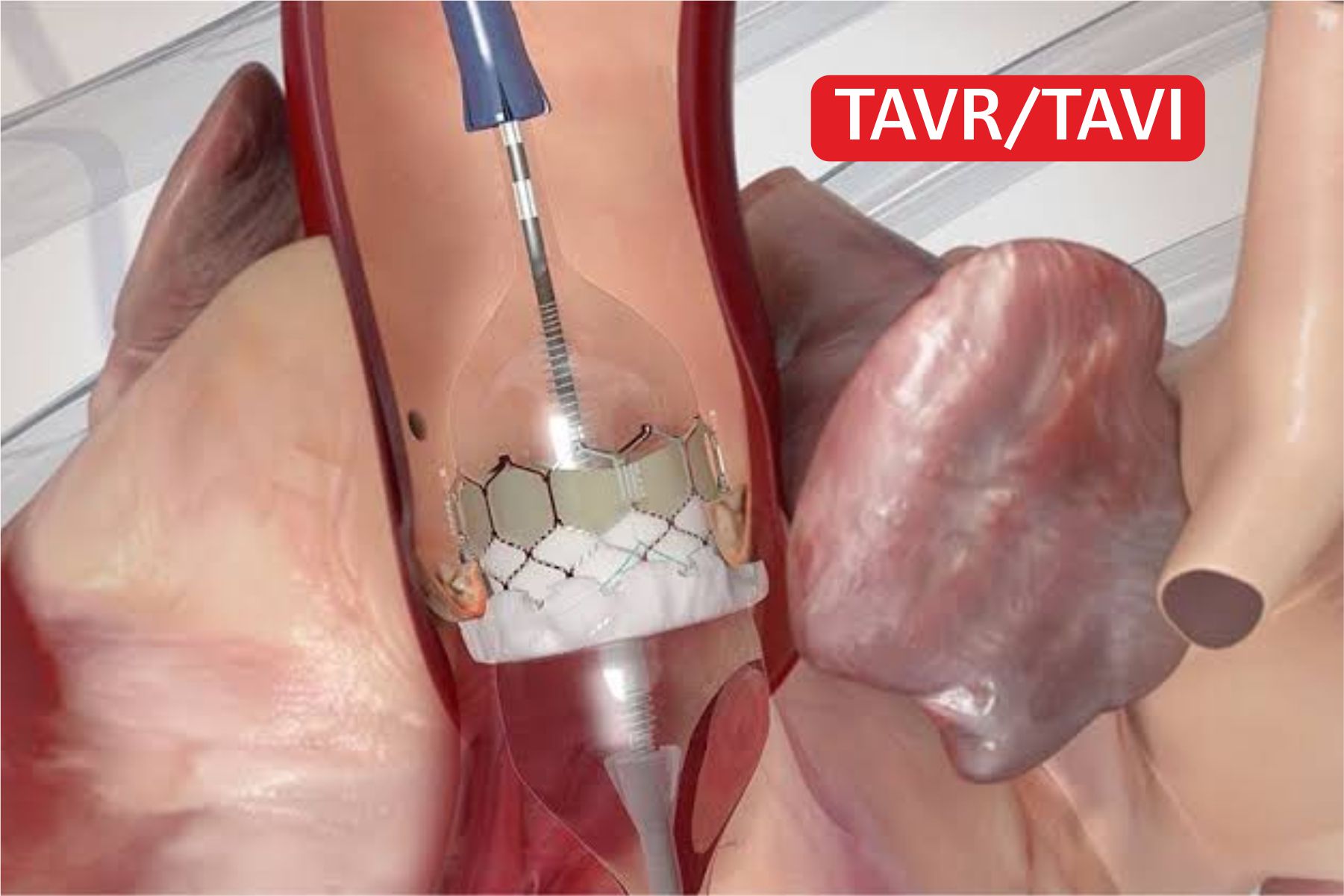
TAVI stands for Transcatheter Aortic Valve Implantation, while TAVR stands for Transcatheter Aortic Valve Replacement. Both terms describe the same type of transcatheter aortic valve procedure.
It is a minimally invasive technique used to replace a severely narrowed aortic valve without opening the chest in the conventional manner.
In severe aortic stenosis, the aortic valve becomes thickened, calcified and narrowed. This makes it harder for the heart to pump blood to the rest of the body.
Severe aortic stenosis can progressively affect heart function, mobility and quality of life. Early specialist evaluation can help determine the appropriate treatment.
Progressive difficulty breathing, particularly during physical activity.
Chest pain or heaviness may occur as the heart works harder against the narrowed valve.
Dizziness or fainting can occur in patients with significant aortic stenosis.
Increasing tiredness and reduced exercise capacity may affect daily activities.
TAVI is not selected on the basis of age alone. A detailed assessment is required to determine whether the procedure is appropriate for an individual patient.
TAVI is usually performed through a catheter inserted through the femoral artery in the groin. The exact approach depends on the patient's anatomy and clinical condition.
Clinical assessment, echocardiography, CT-based planning and other investigations are performed.
A catheter is introduced through an appropriate blood vessel, commonly through the femoral artery.
The compressed artificial valve is positioned inside the diseased aortic valve and expanded.
Valve position and function are assessed before the patient begins recovery and follow-up.
There is no single valve replacement procedure that is best for every patient. The Heart Team considers age, anatomy, surgical risk, associated cardiac disease, life expectancy and patient preferences.
| Feature | TAVI / TAVR | SAVR |
|---|---|---|
| Approach | Catheter-based procedure, commonly through the groin | Open-heart surgery |
| Chest Incision | No large chest incision in transfemoral TAVI | Surgical chest incision required |
| Heart-Lung Machine | Usually not required | Usually required |
| Anaesthesia | Local anaesthesia with sedation or general anaesthesia when required | General anaesthesia |
| Recovery | Generally faster recovery | Usually requires several weeks |
| Additional Cardiac Surgery | Limited ability to treat other surgical problems simultaneously | Multiple cardiac conditions can sometimes be treated during the same operation |
TAVI may be particularly useful for appropriately selected patients in whom conventional surgical aortic valve replacement carries increased risk.
Elderly patients with reduced mobility, physical weakness or limited functional reserve.
Patients with severe left-ventricular dysfunction, heart failure or pulmonary hypertension.
Patients with significant respiratory disease or reduced respiratory reserve.
Previous bypass, valve surgery or multiple open-heart procedures may increase surgical complexity.
Chronic kidney disease and other significant medical conditions require careful assessment.
Patients with several medical conditions may require multidisciplinary treatment planning.
TAVI should not be selected simply because a patient is elderly or considered high-risk. A multidisciplinary Heart Team should assess whether the expected benefits of TAVI are meaningful for the individual patient.
The evaluation may involve interventional cardiology, cardiac surgery, cardiac anaesthesia, cardiac imaging, critical care and other specialists as required.
The TAVI programme at Paras Health, Kanpur provides comprehensive evaluation and transcatheter treatment for appropriately selected patients with severe aortic stenosis.
Dr. Shripad Vasant Khairnar, Senior Interventional Cardiologist, has contributed to establishing the TAVI programme at Paras Health, Kanpur, helping bring advanced valve treatment closer to patients in the region.
Contemporary transcatheter valve evaluation and treatment for suitable patients in Kanpur.
Consult NowTAVI is a major cardiac procedure. Like any intervention, it carries potential risks that should be discussed with the Heart Team before treatment.
If you or a family member has been diagnosed with severe aortic stenosis, specialist evaluation can help determine the most appropriate treatment option.
Shripad Heart Centre provides comprehensive cardiac evaluation and guidance for patients with severe aortic stenosis. Dr. Shripad V. Khairnar can help determine whether TAVI/TAVR or another treatment approach may be appropriate based on your individual condition.