

A Pulmonary Function Test (PFT) is a group of safe, non-invasive breathing tests that evaluate how well your lungs work. These tests measure lung capacity, airflow, oxygen transfer, and overall breathing efficiency to help diagnose and monitor various lung and respiratory disorders.
Comprehensive Pulmonary Function Testing for accurate diagnosis of asthma, COPD, breathing disorders, and pre-operative lung assessment.
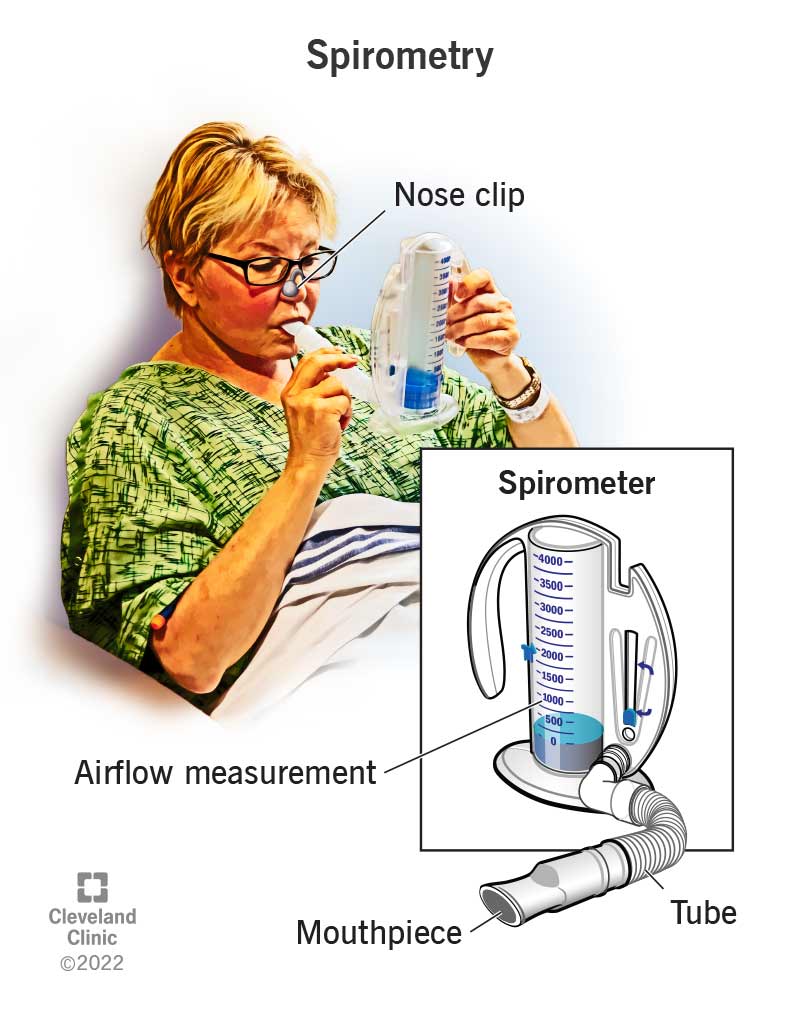
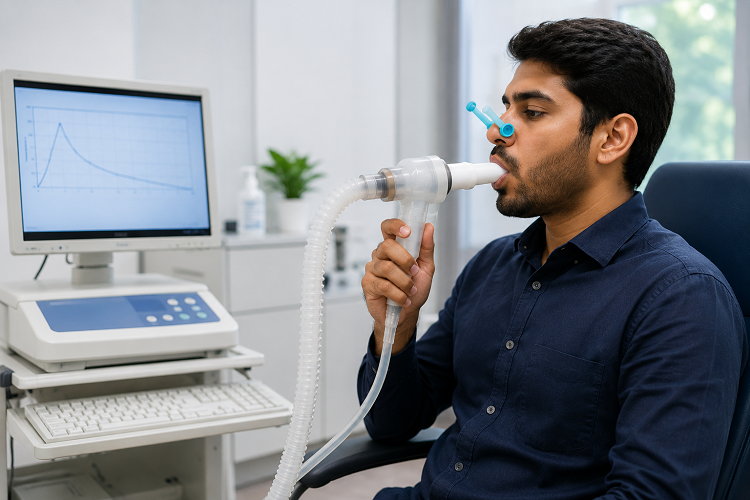
Pulmonary Function Tests (PFTs), also called Lung Function Tests, are a series of breathing tests that evaluate how well your lungs inhale air, exhale air, and transfer oxygen into your bloodstream. These tests help diagnose lung diseases, monitor ongoing treatment, and assess overall respiratory health.
PFTs are completely safe, painless, and non-invasive. They do not require surgery or instruments inside the body, making them one of the most effective methods for evaluating lung performance.
Different Pulmonary Function Tests evaluate various aspects of lung function, helping doctors diagnose and monitor respiratory diseases accurately.
Measures how much air you can inhale and exhale and estimates lung capacity.
Measures the amount of air present in the lungs after inhalation and exhalation.
Evaluates how efficiently oxygen moves from the lungs into the bloodstream.
Assesses how well the heart, lungs, and muscles work together during exercise.
Your doctor may recommend a Pulmonary Function Test (PFT) if you have symptoms related to your lungs or airways, before surgery, or to evaluate the effects of smoking and chronic lung diseases. PFTs are also performed during routine health examinations to assess overall lung health and breathing capacity.
Spirometry is the most frequently performed pulmonary function test. It measures how much air you can breathe in and out, how quickly you can exhale, and helps detect airway narrowing or obstruction.
Evaluates the total amount of air you can inhale and exhale during normal and forced breathing.
Measures how quickly air moves through your lungs to detect airway obstruction.
Helps identify asthma, COPD, and other respiratory disorders before symptoms become severe.
Pulmonary Function Tests provide valuable information about lung performance, helping doctors diagnose respiratory diseases, monitor treatment, and determine the best care plan for each patient.
Identifies narrowing or obstruction in the airways that may affect breathing.
Evaluates how effectively oxygen passes from your lungs into the bloodstream.
Measures the long-term effects of smoking and chronic lung disease on breathing.
Helps doctors determine appropriate medications, therapies, and surgical fitness.
Pulmonary Function Tests (PFTs) provide valuable information about lung performance and help healthcare providers diagnose a wide range of respiratory disorders. The results also help monitor the progression of lung disease and evaluate the effectiveness of treatment.
Pulmonary Function Tests are quick, safe, and highly effective for evaluating lung health, detecting respiratory diseases early, and monitoring treatment outcomes.
Identifies lung diseases before symptoms become severe, enabling early treatment.
Tracks disease progression and evaluates how well treatment is improving lung function.
Determines whether your lungs are healthy enough for surgery and anesthesia.
Evaluates the long-term effects of smoking and helps guide smoking cessation treatment.
Helps doctors select the most effective medications and respiratory therapies.
A painless procedure that requires no surgery, injections, or hospitalization.
Shripad Heart Centre offers advanced Pulmonary Function Testing (PFT) to evaluate lung capacity, breathing efficiency, and respiratory health. Under the expert care of Dr. Shripad V. Khairnar, we provide accurate diagnosis for asthma, COPD, pulmonary fibrosis, and other breathing disorders using modern diagnostic equipment.