

Holter Monitoring is a portable, continuous ECG recording test that monitors your heart's electrical activity for 24 to 48 hours or longer. It helps detect irregular heart rhythms, unexplained palpitations, dizziness, fainting episodes, and other heart conditions that may not appear during a routine ECG.
Comprehensive Holter ECG interpretation for accurate diagnosis of arrhythmias, palpitations, dizziness, unexplained fainting, and other cardiac rhythm disorders.
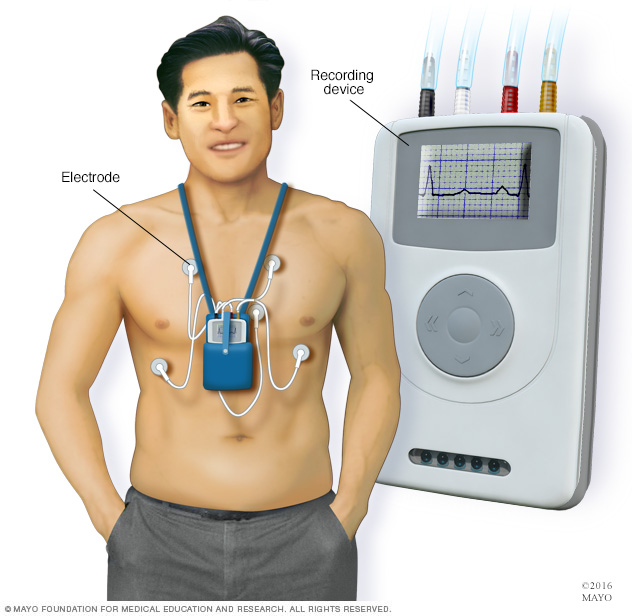
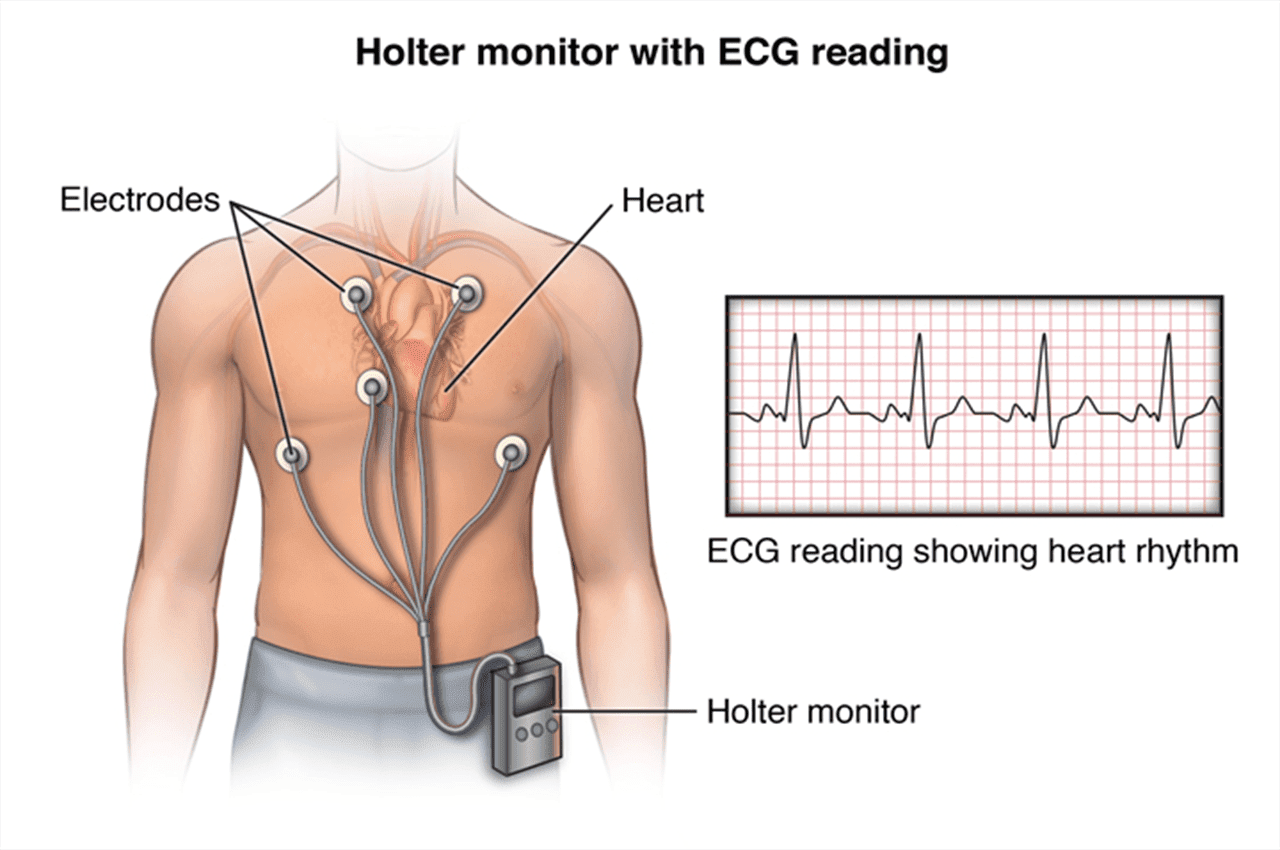
A Holter Monitor is a small, battery-powered portable ECG device that continuously records your heart's electrical activity for 24 to 48 hours or longer while you perform your normal daily activities. It provides valuable information about your heart rate and rhythm over an extended period.
Holter Monitoring is recommended when a routine ECG does not provide enough information. It helps cardiologists identify irregular heart rhythms, intermittent heart problems, and symptoms that occur only occasionally during daily life.
Holter Monitoring continuously records your heart rhythm to help diagnose heart conditions that may not appear during a routine ECG.
Detects irregular or abnormal heart rhythms throughout the day.
Helps determine whether dizziness or fainting is related to heart rhythm abnormalities.
Records abnormal heartbeats that occur only occasionally during daily activities.
Assists in diagnosing coronary artery disease and monitoring treatment effectiveness.
Holter Monitoring is a safe, painless, and non-invasive test. Proper preparation and accurate recording of your daily activities help the cardiologist diagnose heart rhythm abnormalities more effectively.
Holter Monitoring provides continuous ECG recording during your normal daily routine, helping detect heart rhythm abnormalities that may not appear during a standard ECG.
Records every heartbeat for 24–48 hours, providing detailed information about your heart rhythm.
Identifies irregular heart rhythms that may not appear during a routine ECG examination.
Helps determine whether dizziness, fainting, palpitations, or chest discomfort are related to heart rhythm disorders.
Provides valuable information for diagnosing coronary artery disease and other cardiac rhythm disorders.
Assesses the effectiveness of medications, pacemakers, and other cardiac treatments.
A comfortable outpatient test that allows you to continue your regular daily activities.
Shripad Heart Centre provides advanced 24–48 Hour Holter Monitoring for the diagnosis of arrhythmias, palpitations, dizziness, unexplained fainting, and other heart rhythm disorders. Dr. Shripad V. Khairnar offers expert Holter ECG interpretation using modern diagnostic technology to ensure accurate diagnosis and personalized cardiac care.