

An Electrocardiogram (ECG or EKG) is a simple, painless and non-invasive test that records the electrical activity of your heart. It helps doctors evaluate your heart rhythm, detect abnormalities, and diagnose various heart conditions quickly and accurately.
Comprehensive ECG interpretation for the diagnosis of irregular heart rhythms, heart attacks, enlarged heart, and other cardiac disorders using advanced diagnostic technology.
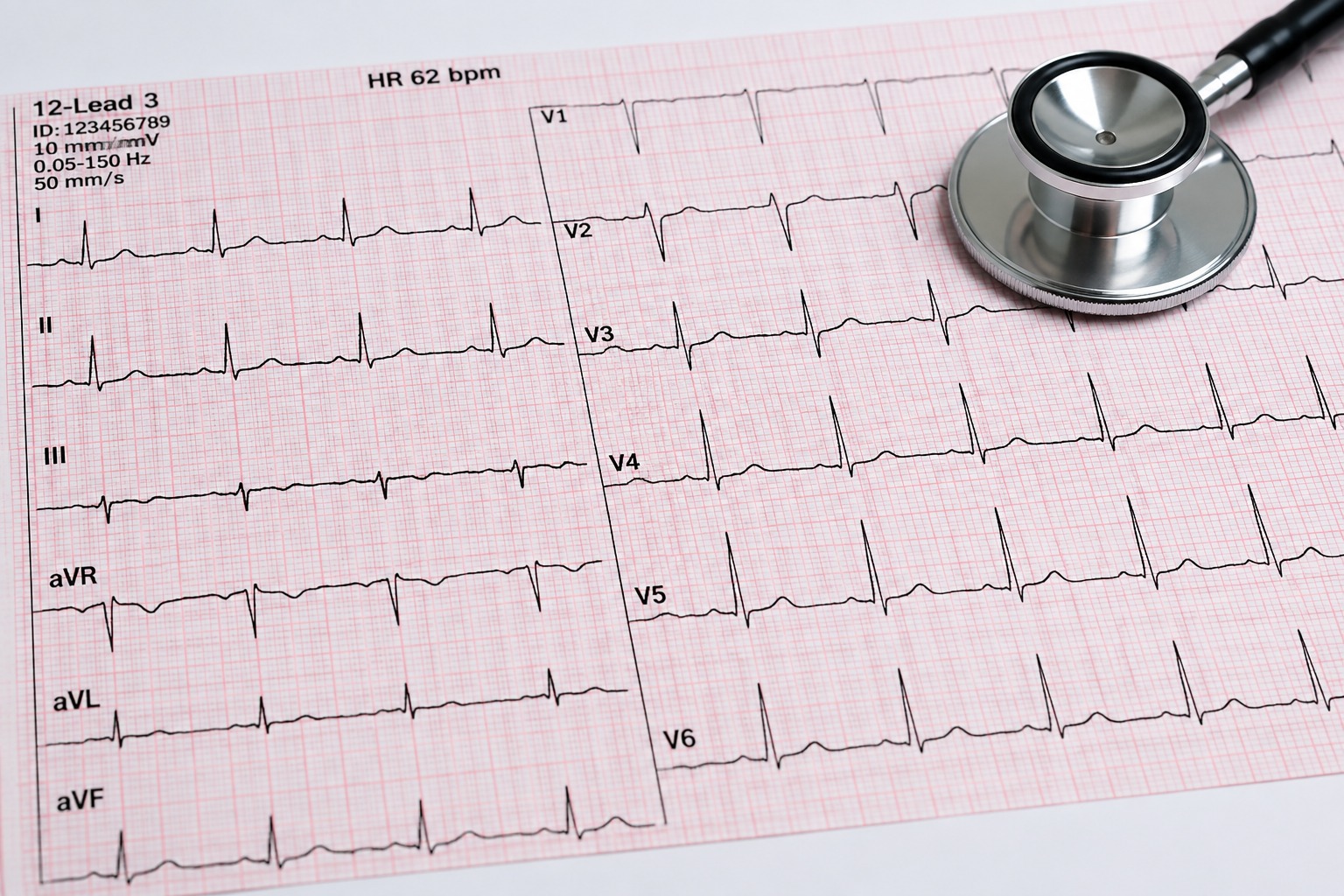
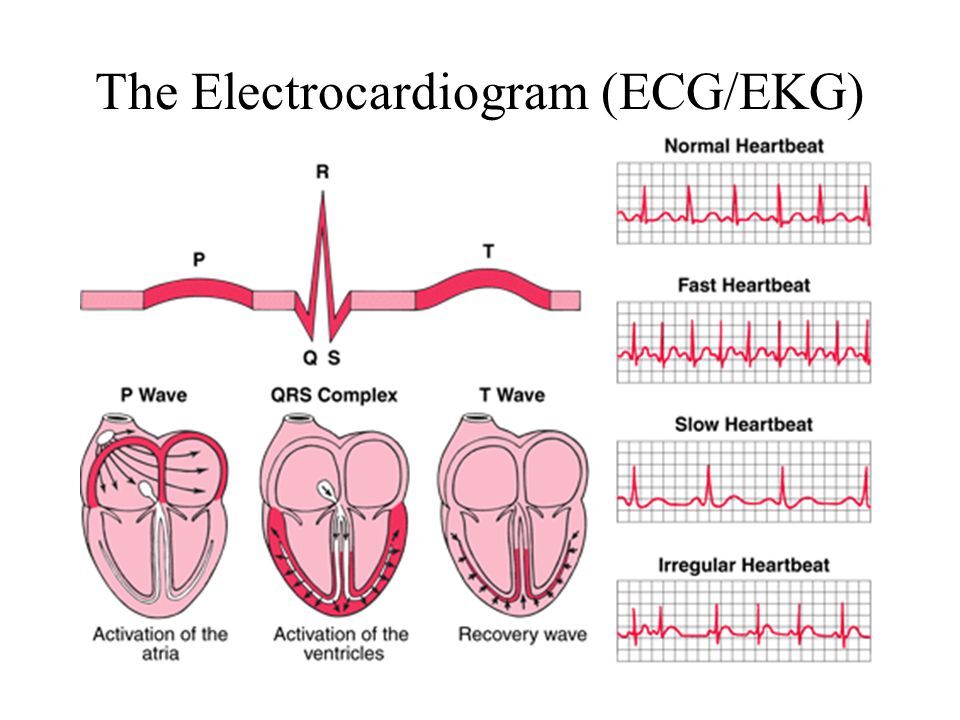
An Electrocardiogram (ECG), also known as an EKG, is a diagnostic test that measures the electrical activity of the heart. Every heartbeat produces an electrical impulse that travels through the heart muscle, allowing it to contract and pump blood throughout the body.
A normal ECG records the electrical activity as a series of waves, including the P wave, QRS complex and T wave. These wave patterns help cardiologists evaluate the heart's rhythm, detect abnormalities, and identify underlying heart conditions.
An ECG provides valuable information about your heart's electrical activity and helps doctors diagnose a wide range of heart conditions accurately and at an early stage.
Detects slow, fast or irregular heart rhythms (arrhythmias).
Evaluates how electrical signals travel through the heart.
Helps identify enlarged or overworked heart muscles.
Supports early diagnosis and treatment planning for heart disease.
An ECG is one of the most commonly performed heart tests. It helps cardiologists diagnose heart rhythm disorders and identify various heart conditions quickly and accurately.
Detects abnormal heart rhythms (arrhythmias) that may require further evaluation or treatment.
Helps determine whether breathing difficulties are related to an underlying heart condition.
Assists in diagnosing reduced blood supply to the heart and possible heart attacks.
Evaluates whether high blood pressure has affected your heart muscle or electrical activity.
Records abnormal electrical impulses that may cause skipped, racing or pounding heartbeats.
Supports diagnosis of suspected valve disease and other cardiac abnormalities.
An ECG is a quick, painless, and non-invasive test that records your heart's electrical activity using small adhesive electrodes. The entire procedure usually takes only a few minutes.
An Electrocardiogram is completely safe, painless and carries virtually no risk for patients of all ages.
The ECG records electrical activity only. It does not deliver electricity to your body.
Some patients may experience slight discomfort when the adhesive electrodes are removed.
Most patients experience no side effects. Rarely, mild skin irritation may occur where the electrodes were attached.
An ECG provides valuable information about your heart's electrical activity and helps your cardiologist diagnose several heart conditions quickly. It is one of the most important investigations for evaluating heart health.
An abnormal ECG can help identify many heart conditions and guide doctors toward the correct diagnosis and treatment.
Detects abnormal heart rhythms including slow, fast, or irregular heartbeats.
Identifies enlargement or excessive strain on the heart muscle.
Detects abnormalities in the electrical conduction pathways of the heart.
Detects current or previous heart attacks, including silent heart attacks.
Identifies reduced blood supply to different areas of the heart.
Helps doctors make quick treatment decisions during cardiac emergencies.
Dr. Shripad V. Khairnar provides accurate Electrocardiogram (ECG) testing using modern diagnostic equipment to detect heart rhythm disorders, heart attacks, and other cardiac conditions. Early diagnosis helps ensure timely treatment and better heart health.