

A Treadmill Test (TMT), also known as a Cardiac Stress Test or Exercise Stress Test, evaluates how your heart performs during physical activity. As your heart works harder during exercise, the test helps identify reduced blood flow, coronary artery disease, irregular heart rhythms, and other heart-related conditions that may not appear on a resting ECG.
Advanced Computerized Treadmill Stress Testing for the early diagnosis of coronary artery disease, chest pain, exercise-induced symptoms, and evaluation of overall heart health.
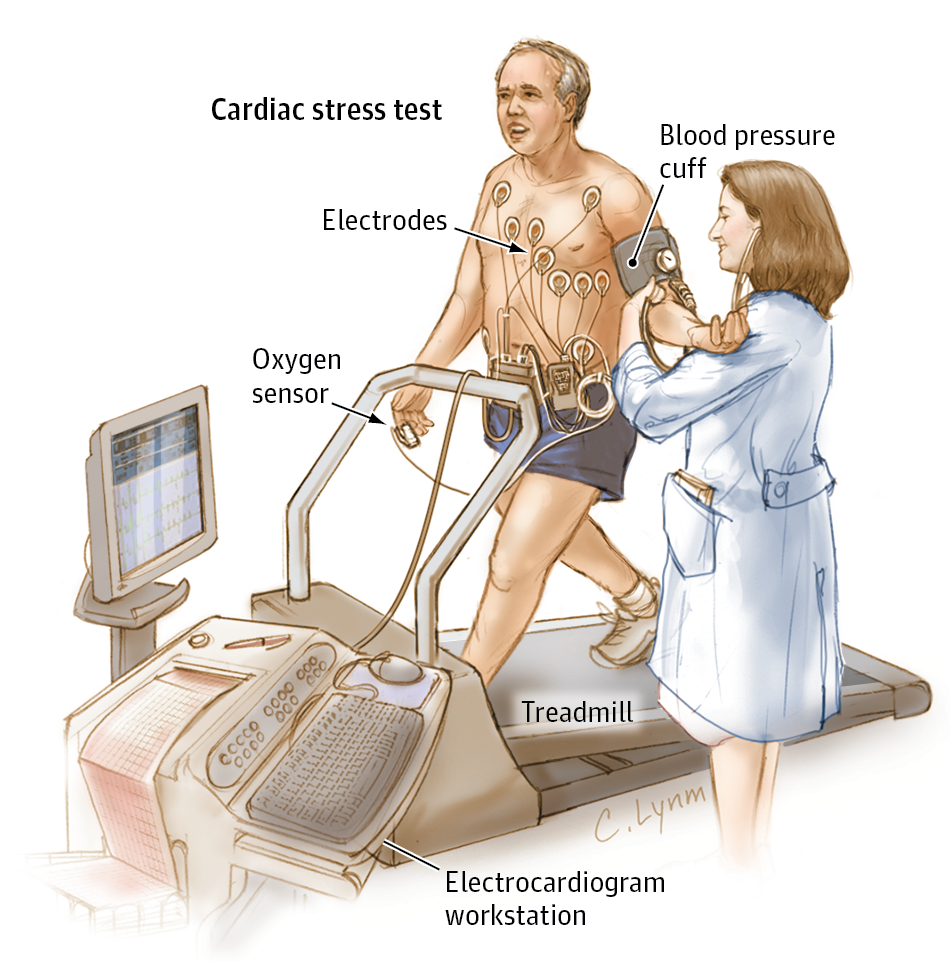
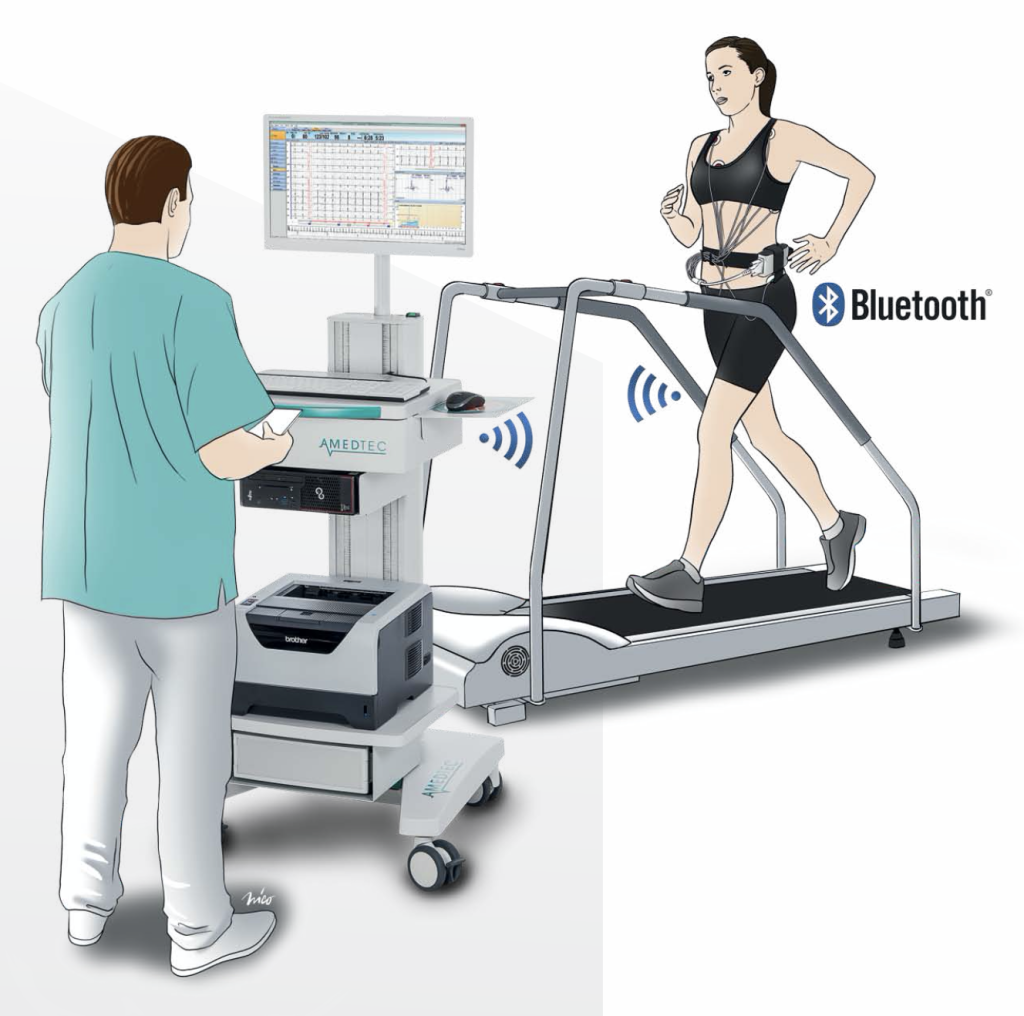
A Treadmill Test (TMT) or Stress Test is a commonly performed cardiac investigation used to assess how the heart responds to physical exercise. While a resting ECG records the heart's activity when the body is at rest, many heart-related symptoms such as chest pain or angina occur only during physical exertion. A Stress Test helps detect these hidden abnormalities.
During the test, the patient walks on a treadmill while the speed and incline are gradually increased. Continuous ECG monitoring records the heart's electrical activity, enabling the cardiologist to evaluate blood supply to the heart muscle, exercise tolerance, and signs of coronary artery disease.
A Stress Test helps cardiologists evaluate your heart's response to exercise, detect reduced blood flow, and diagnose coronary artery disease before symptoms become severe.
Identifies exercise-induced chest pain and reduced blood supply to the heart.
Measures how well your heart performs during physical activity.
Continuously records ECG changes during exercise for accurate diagnosis.
Helps diagnose coronary artery disease before serious complications develop.
During a Treadmill Test (TMT), the patient's heart is monitored continuously while walking on a treadmill. The speed and incline of the treadmill are gradually increased to make the heart work harder. Throughout the test, ECG, heart rate, blood pressure, and symptoms are closely observed by the cardiologist.
Different stress tests may be recommended depending on your symptoms, physical ability, and medical condition.
The most common stress test where ECG is continuously monitored while you walk on a treadmill with increasing speed and incline.
Combines exercise with echocardiography to evaluate heart muscle function and blood flow before and after exercise.
Uses a small amount of radioactive tracer along with imaging to evaluate blood flow to the heart muscle.
Medicines are used to increase heart activity when a patient is unable to exercise on a treadmill.
Instead of walking on a treadmill, the patient pedals a stationary exercise bicycle while ECG is monitored.
Patients who cannot use their legs can perform the stress test using a bicycle-like arm crank while ECG is recorded.
A Stress Test helps evaluate blood flow to the heart during exercise and assists in diagnosing coronary artery disease and assessing overall heart health.
If the target heart rate is achieved without ECG changes, the test is considered negative for significant exercise-induced ischemia.
Evaluates your heart's ability to respond safely to increasing physical activity.
Helps diagnose coronary artery disease and reduced blood flow to the heart muscle.
Assists cardiologists in determining the best treatment plan and monitoring recovery after a heart attack.
Shripad Heart Centre offers advanced Computerized Treadmill Stress Testing (TMT) to evaluate heart function during exercise, diagnose coronary artery disease, assess chest pain, and monitor recovery after heart treatment. Dr. Shripad V. Khairnar provides accurate interpretation and personalized cardiac care using modern diagnostic technology.